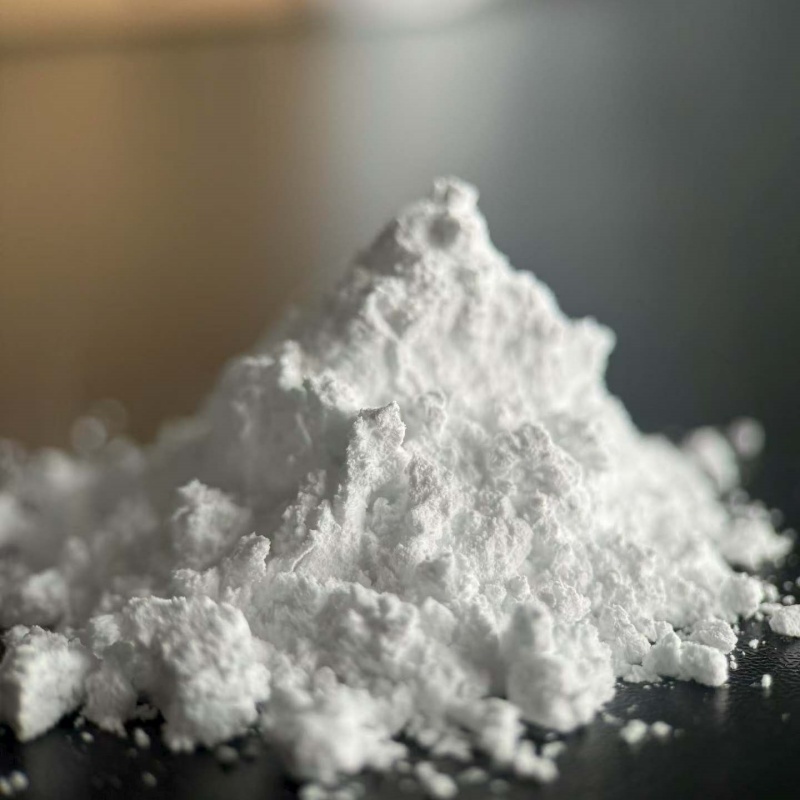
1. Basic Chemical Composition
Soda-Lime Glass Sand
Commonly used for sandblasting, decoration, and recycled material applications.
- Main component: SiO₂ 65%–75%
- Other components: CaO, Na₂O, Al₂O₃, MgO, and trace Fe₂O₃, which affects whiteness
High-Purity Quartz Glass Sand
Used for photovoltaic glass, semiconductors, and optical glass raw materials.
- SiO₂ ≥99.5%
- Electronic-grade products can reach 99.99% purity
- Extremely low iron, potassium, and sodium impurities
- High-temperature resistance, low thermal expansion, and high light transmission
2. Key Physical Properties
- Mohs Hardness: 6–7 for common glass sand; up to 7.8 for high-purity fused quartz sand
- Bulk Density: 2.4–2.6 g/cm³
- Chemical Stability: Resistant to weak acids and alkalis, insoluble in water, non-toxic, and non-corrosive
- Particle Shape: Usually angular and irregular; glass bead sand is nearly spherical with lower sandblasting loss
- Heat Resistance: Common glass sand can withstand up to 580°C; high-purity quartz glass sand can be used above 1100°C for long-term applications
3. Main Classification Methods
By Raw Material Source
- Recycled Glass Sand: Made from waste glass bottles, flat glass, and glassware through cleaning and crushing. Cost-effective and widely used in sandblasting, filtration, flooring, and landscaping.
- Primary Glass Sand: Produced by melting quartz sand and soda ash into glass, then crushing it again. It offers stable purity and is used in glass manufacturing, ceramics, precision sandblasting, and high-end fillers.
By Appearance and Color
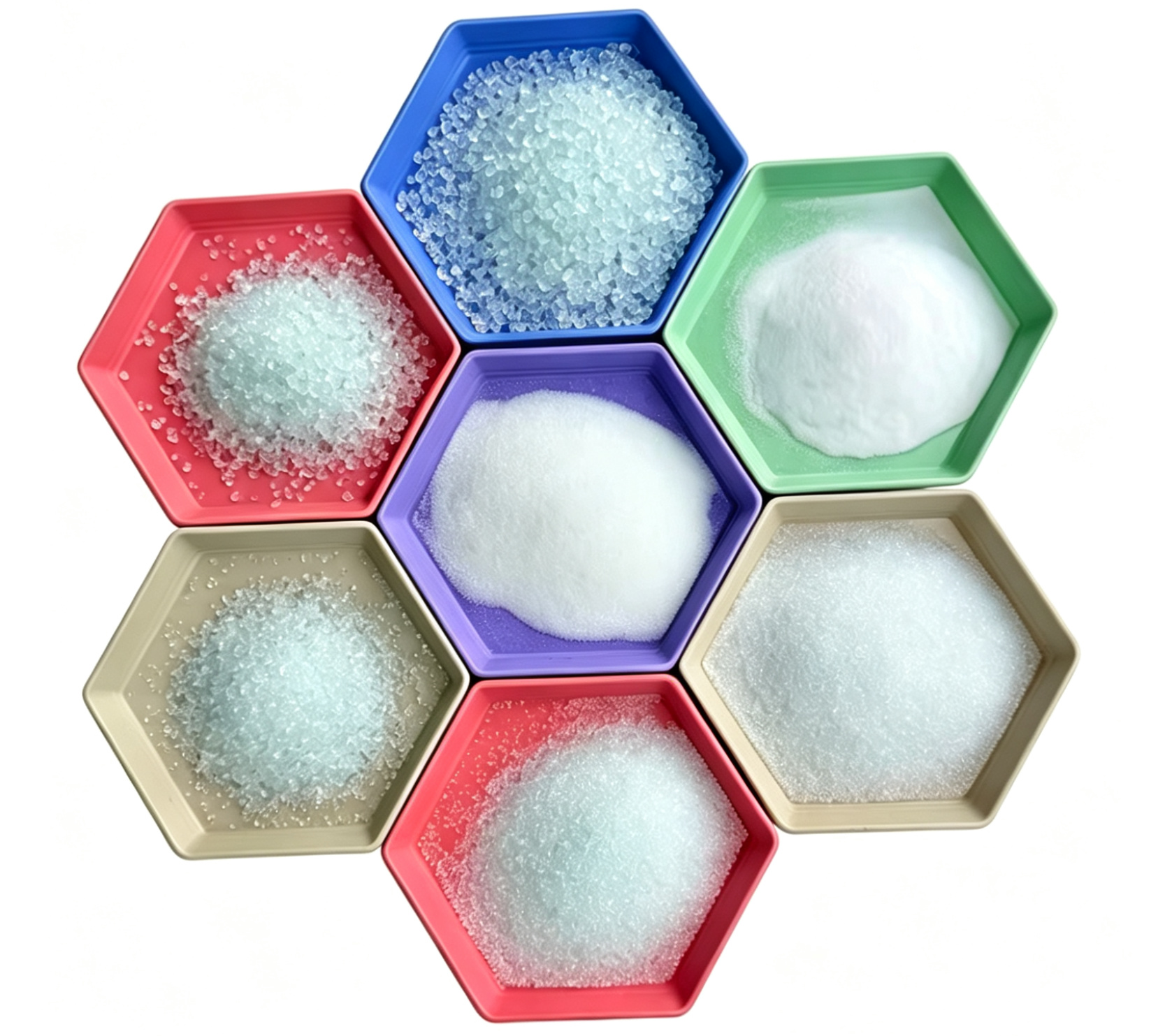
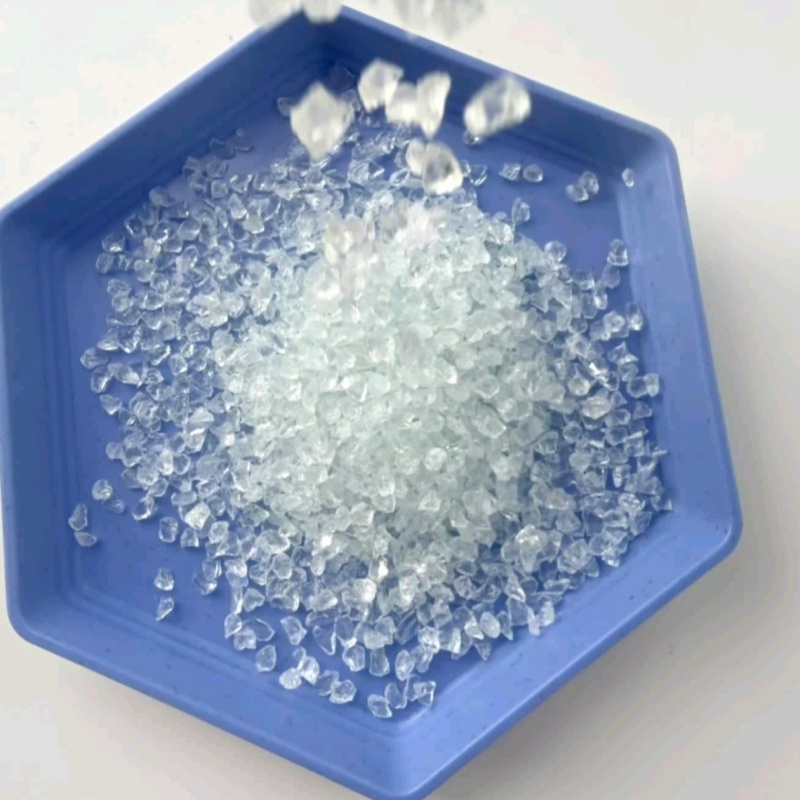
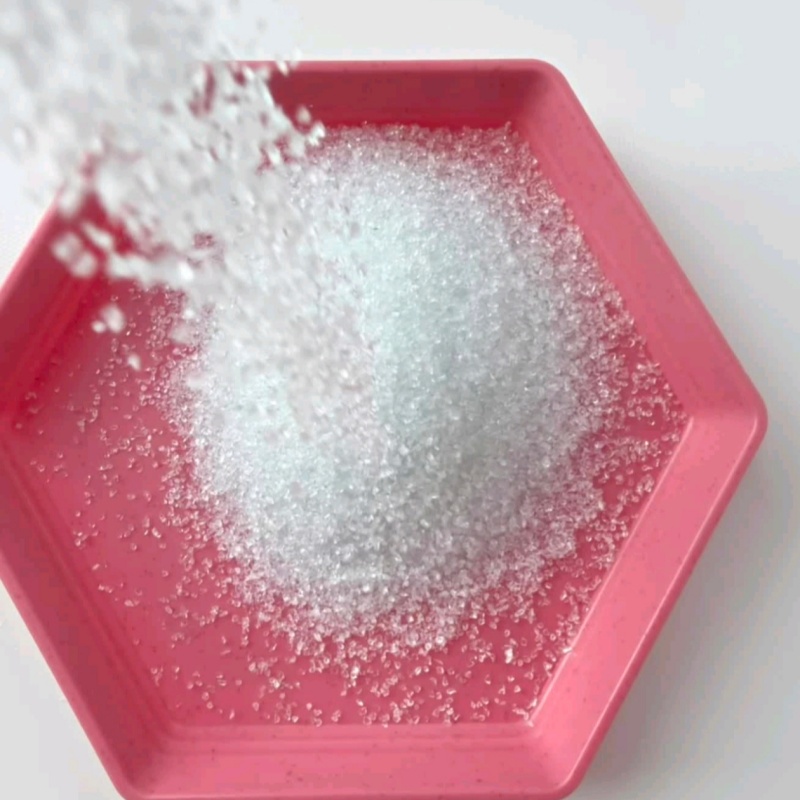
- Clear Glass Sand: The most common type, with a sugar-like texture and good light transmission.
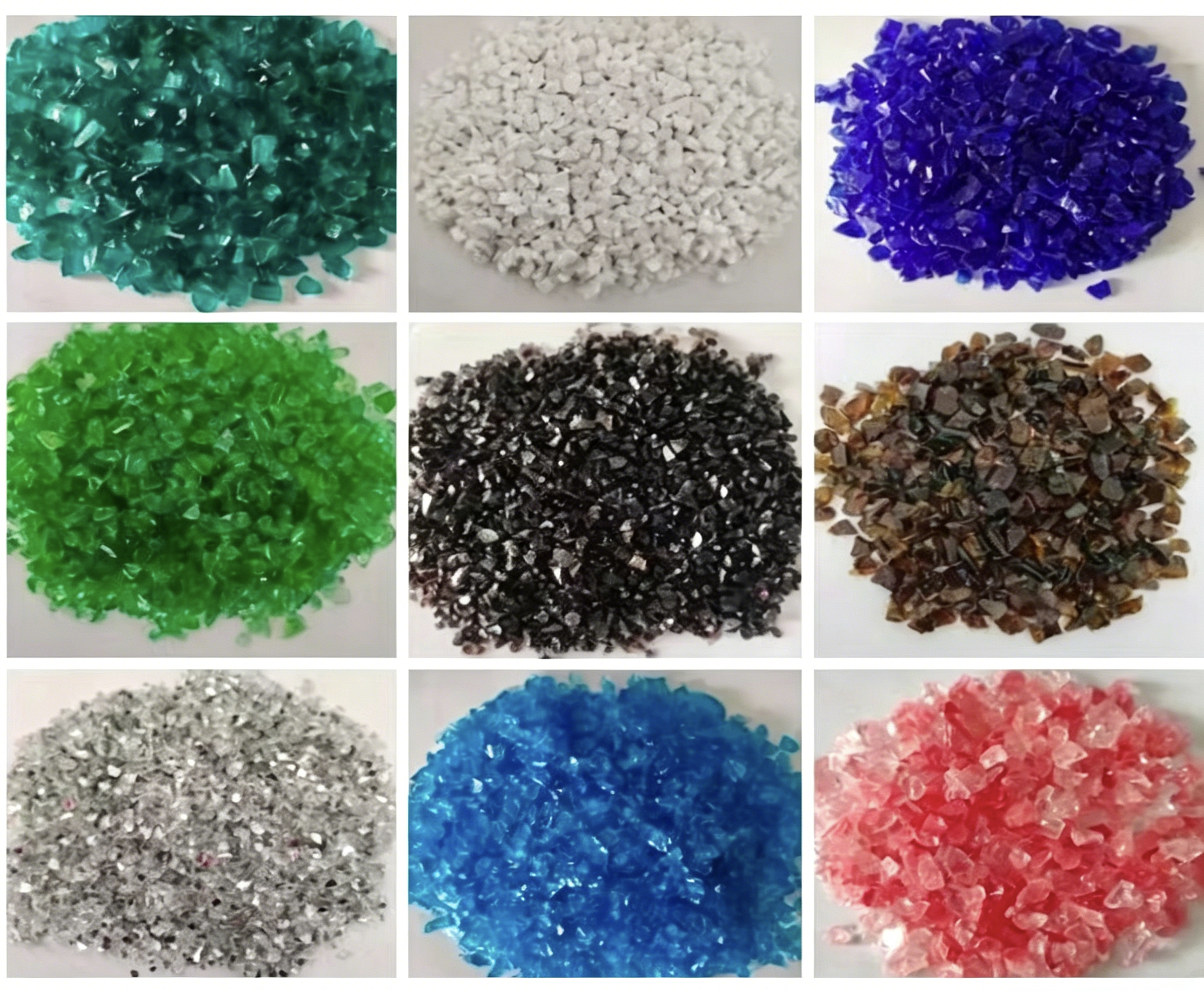
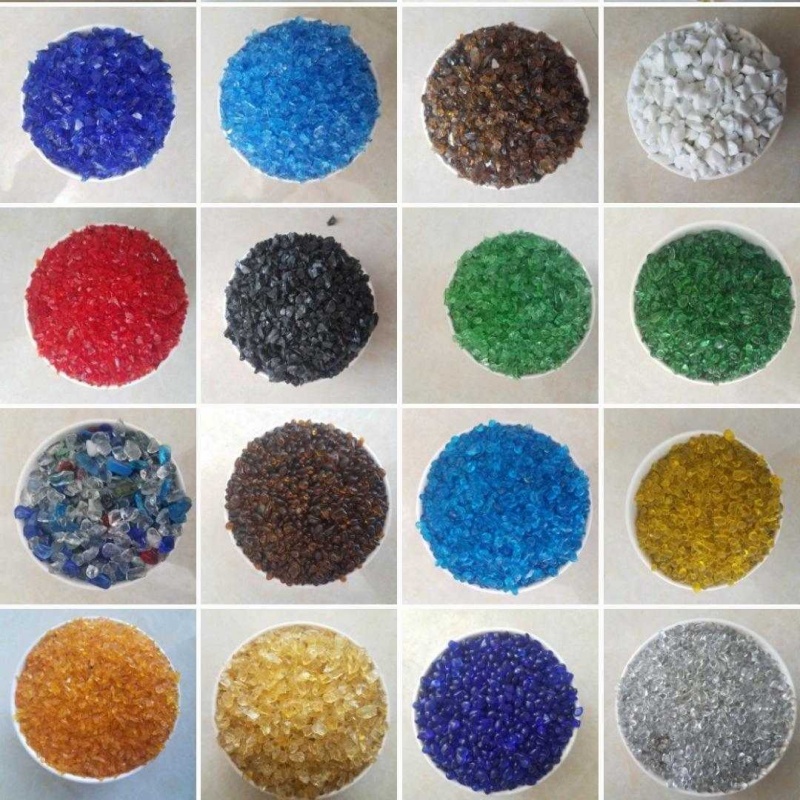
- Colored Glass Sand: Available in red, yellow, blue, green, purple, and pink. It can be surface-colored or body-colored, and is used for decoration, epoxy flooring, and aquarium landscaping.
- Brown, Green, and Mirror Reflective Glass Sand: High-reflective types are used for reflective aggregates and artistic casting.
By Particle Shape
- Angular Crushed Sand: Used for rust removal, deburring, and matte surface treatment of metals.
- Polished Rounded Sand: Used for decorative filling, terrazzo, artificial stone, and textured coatings.
By Particle Size
| Type |
Particle Size |
Mesh |
Typical Applications |
| Coarse Sand |
2–8 mm |
2–10 mesh |
Landscape paving, aquarium landscaping, permeable aggregates |
| Medium Sand |
0.5–2 mm |
20–30 mesh |
Flooring aggregates, artificial stone, rough sandblasting |
| Fine Sand |
0.2–0.5 mm |
60 mesh |
Fine sandblasting, coating fillers, textured paint |
| Micro Powder |
<0.1 mm |
200 mesh and above |
Matte fillers for paint, resin filling, precision polishing |
4. Complete Production Process
Recycled Glass Sand Process
Waste glass sorting → washing and label/oil removal → multi-stage crushing → magnetic separation → screening and grading → edge grinding → washing and drying → packaging or coloring
High-Purity Quartz Glass Sand Process
High-grade quartz ore → washing and desliming → staged crushing → intensive scrubbing → multi-stage magnetic iron removal → flotation purification → acid washing → dehydration and drying → graded screening → finished glass sand
5. Full Application Scenarios
Industrial Sandblasting and Surface Treatment
- Rust removal, paint removal, oxide scale removal, and deburring for stainless steel, aluminum alloy, and hardware parts
- Surface roughening before electroplating or anodizing to improve coating adhesion
- Matte finishing and stress relief for molds, medical devices, and semiconductor precision parts
Advantages: Moderate hardness, recyclable use, low damage to workpieces, and no heavy metal contamination.
Construction, Flooring, and Decorative Building Materials
- Epoxy colored sand flooring, terrazzo, exposed aggregate, and permeable concrete aggregates
- Stone-like paint, textured coatings, and sand-textured wall mortar
- Tile joint filling, exterior wall decorative aggregates, and anti-slip road surfaces
- Artificial quartz stone and resin craft casting aggregates
Aquarium, Garden, and Landscape Decoration
- Aquarium bottom sand, decorative gravel, and micro-landscape paving
- Garden, courtyard, and dry creek decorative paving
- An alternative to pebbles, with reduced weed growth
- Swimming pool filtration media with better permeability and stronger dirt-holding capacity than quartz sand
Glass, Ceramic, and Metallurgical Raw Materials
- Main raw material for float glass, photovoltaic glass, and bottle glass
- Additives for ceramic bodies and glazes to improve transparency and surface texture
- Auxiliary materials for precision casting coated sand and foundry sand
Fillers, Chemicals, and Daily-Use Filling Materials
- Fillers for toys, Christmas decorations, scented candles, and resin crafts
- Matte fillers for paint, ink, and resin, improving wear resistance and surface texture
- Filter media for artificial wetlands and wastewater treatment, offering good permeability, corrosion resistance, and anti-caking performance
6. Advantages Compared with Other Materials
- Compared with Quartz Sand: Glass sand has more controllable angularity, a finer matte sandblasting effect, more color options, stronger decorative appeal, and lower cost for recycled grades.
- Compared with Steel Grit and White Fused Alumina: It is softer, causes less damage to workpieces, has lower rebound loss, and does not cause iron contamination.
- Environmental Value: Recycled glass sand supports solid waste recycling, is non-toxic and odorless, and meets green building material requirements.
- Long-Term Stability: It does not weather, hydrolyze, or powder easily, and offers strong freeze-thaw resistance for outdoor use.
7. Packaging, Storage, and Selection Guide
Packaging
Standard packaging is 25 kg woven bags. Full container orders usually start from 20 tons, while small-batch orders can also be arranged.
Storage
Store in a dry and ventilated warehouse. Avoid long-term outdoor exposure or rain to prevent caking.
Selection Guide
- Sandblasting and Rust Removal: 20–80 mesh angular clear recycled glass sand
- Flooring and Artificial Stone: 1–4 mm rounded polished glass sand
- Decorative Landscaping: Colored electroplated glass sand
- Glass and Photovoltaic Raw Materials: High-purity quartz glass sand with SiO₂ ≥99.5%