
Crushed Glass / Glass Cullet

Complete Introduction to Crushed Glass / Waste Glass / Glass Cullet

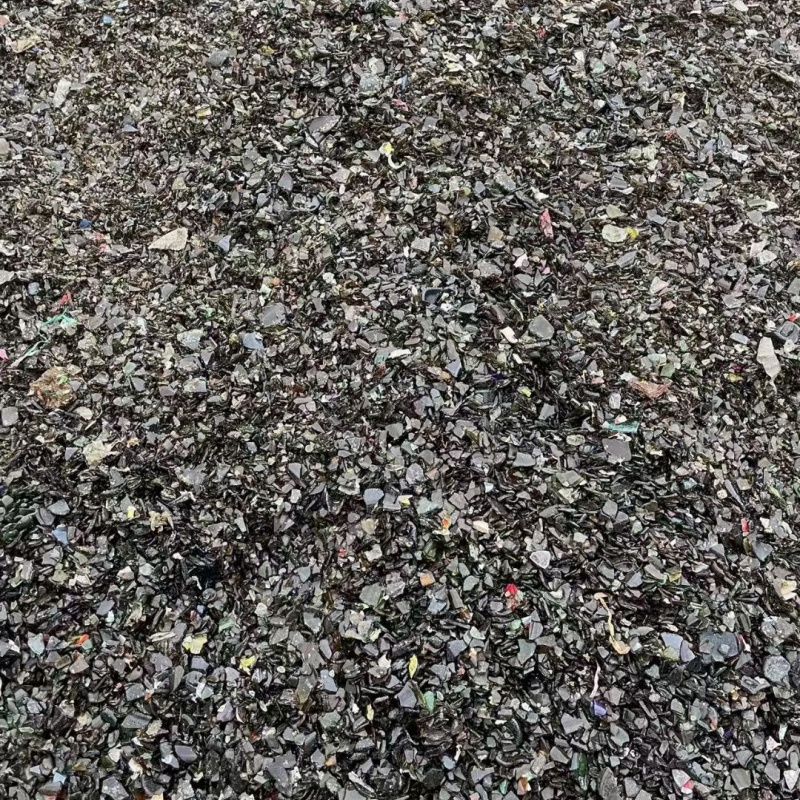
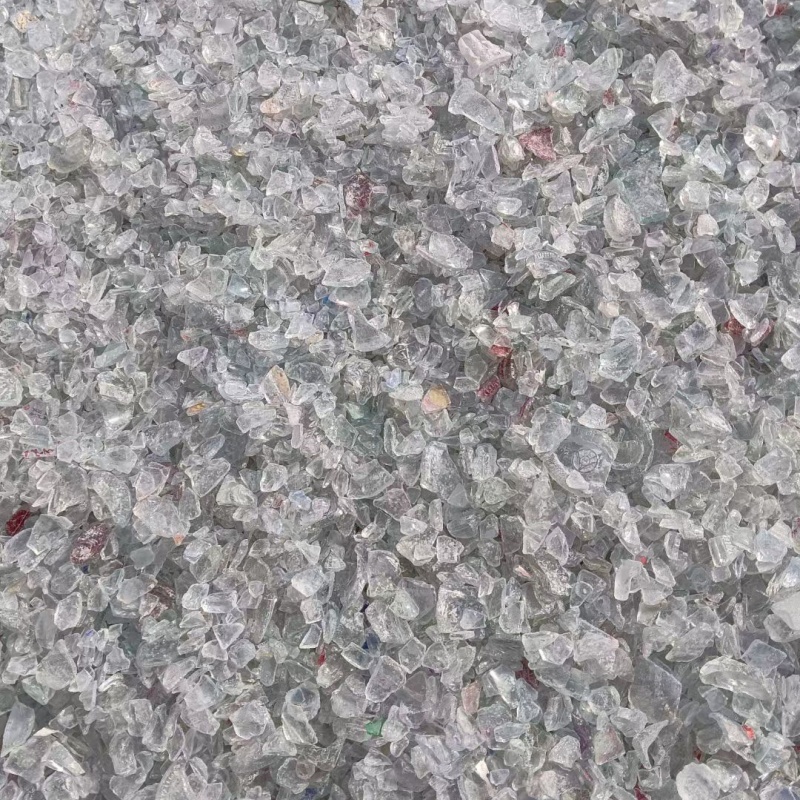
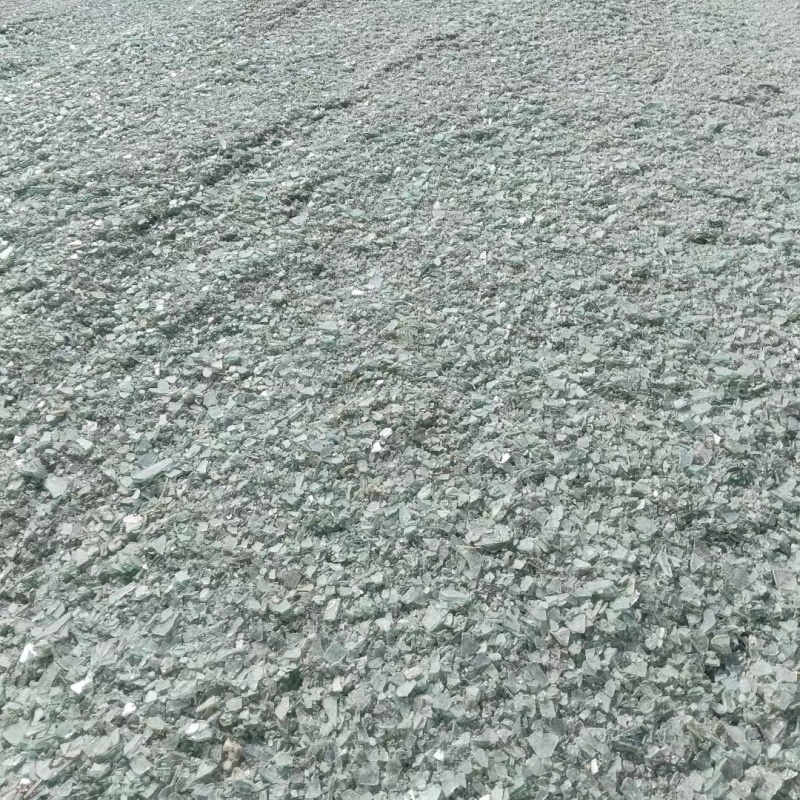
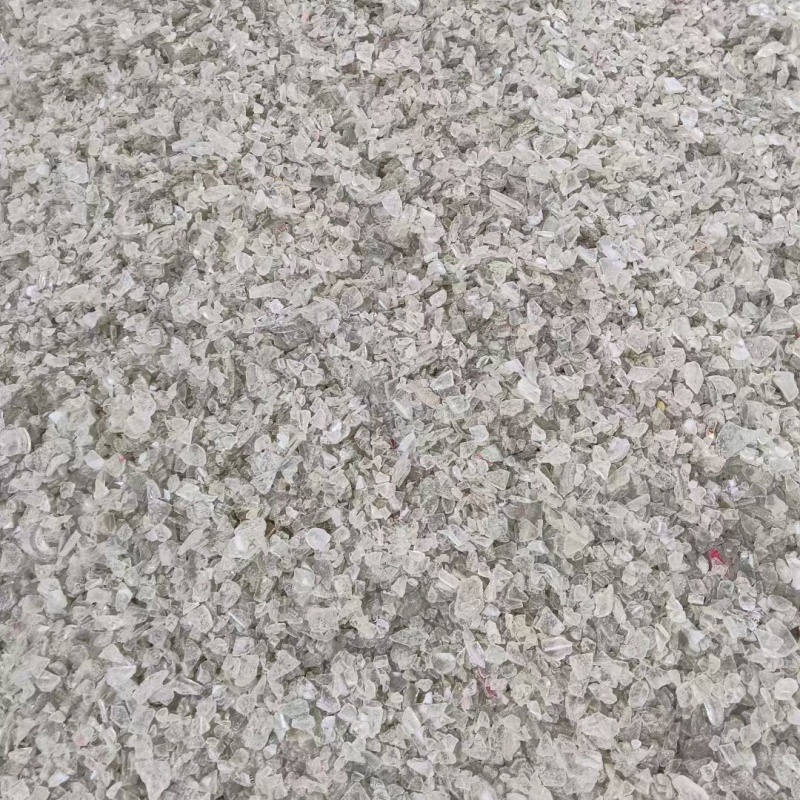
Crushed glass, also known as waste glass or glass cullet, refers to irregular glass fragments, blocks, and particles produced by crushing various discarded glass products. It is one of the most important recycled raw materials in the glass industry and also serves as an upstream material for glass sand, glass beads, and colored aggregates.

Crushed glass can generally be divided into two major categories: industrial glass production scraps and post-consumer recycled glass. Its applications cover glass remelting, building materials, sandblasting, decorative filling, chemical fillers, and other industrial fields.

Product Details

1. Basic Physical and Chemical Properties
Chemical Composition

For mainstream soda-lime glass:

  • SiO₂: 68%–75%
  • CaO: 8%–12%
  • Na₂O: 12%–15%
  • Contains small amounts of Al₂O₃ and MgO
  • Fe₂O₃ content affects whiteness and color
  • Standard crushed glass usually has Fe₂O₃ ≤0.15%
  • High-white cullet can reach Fe₂O₃ ≤0.05%

Special glass cullet, such as borosilicate glass, lead crystal glass, quartz glass, coated glass substrates, and photovoltaic glass, has different compositions and must be sorted separately.

Physical Properties
  • Mohs Hardness: 6.5–7, hard and brittle with sharp edges
  • Bulk Density: 2.4–2.6 g/cm³
  • Chemical Stability: Resistant to water, weak acids, and alkalis; almost non-corrosive at room temperature, except by hydrofluoric acid
  • Degradation: Non-biodegradable, with a natural degradation cycle of thousands of years
  • Melting Point: 1200–1500°C
  • Energy Saving: When added to glass furnaces, cullet can lower the overall melting temperature and reduce fuel consumption
Shape Characteristics

Crushed glass has no fixed shape. It may appear as large blocks, sheets, strips, or sharp-edged fragments. After crushing and screening, it can become angular particles. With further processing, it can be made into rounded glass sand or glass microbeads.


2. Standard Classification
By Material Source
Clear Glass Cullet

Includes liquor bottles, mineral water bottles, clear float glass, and cosmetic glass bottles. It has the highest value and is preferred by glass manufacturers.

Green Glass Cullet

Mainly from beer bottles and green beverage bottles. It has large market volume and wide circulation.

Brown / Amber Glass Cullet

Commonly from medicine bottles, soy sauce bottles, and canned food containers.

Flat Glass Cullet

Includes architectural window glass, tempered glass, curtain wall glass, and automotive glass.

Tableware Glass Cullet

Includes glass cups, bowls, tableware, and common craft glass.

Special Glass Cullet

Includes lead crystal, borosilicate heat-resistant glass, LCD glass substrates, coated mirrors, and photovoltaic cover glass. These materials must be recycled separately and must not be mixed with ordinary crushed glass.


3. By Purity Grade
Grade A

Single-color, clean glass with no mixed colors, plastics, ceramics, metals, sand, or other impurities. It can be directly reused in glass furnaces.

Grade B

Contains a small amount of mixed color glass, with impurities below 0.5%. It can be mixed into the furnace in controlled proportions.

Grade C

Mixed-color glass with small amounts of labels, rubber, aluminum caps, and other impurities. It is mainly used for building materials, aggregates, and rough processing.

Mixed-Color Crushed Glass

If mixed colors account for more than 30%, it is generally unsuitable for high-end glass melting and is mostly used for construction additives, road paving, and flooring aggregates.


4. By Particle Size
Type Particle Size Typical Applications
Large Glass Fragments >50 mm Initial recycling and sorting
Coarse Crushed Glass 10–50 mm Road paving, concrete aggregates, low-end backfilling
Medium Crushed Particles 1–10 mm Glass furnace cullet, terrazzo aggregates, sandblasting raw materials
Fine Crushed Glass Sand 0.1–1 mm Filter media, epoxy flooring aggregates, textured paint fillers
Glass Powder <0.1 mm Cement additives, resin filling, ceramic raw materials, ink fillers

5. Main Sources
  1. Post-Consumer Recycling
    Accounts for about 68% of total supply, including household glass bottles, beverage bottles, discarded tableware, old window glass, and old mirrors.
  2. Industrial Scraps
    Accounts for about 20%, including cutting scraps from glass factories, bottle and container production scraps, tempered glass waste sheets, and defective craft glass products.
  3. Construction Demolition Waste
    Accounts for about 12%, including old building demolition glass, curtain wall replacement glass, renovation waste glass, and broken tempered glass.

6. Standard Processing Flow

Refined processing is the key to increasing the value of crushed glass. The more detailed the processing, the higher the added value.

  1. Primary Sorting
    Manual or machine sorting by color, while removing ceramics, metals, plastics, rubber, stones, and other impurities.
  2. Washing and Decontamination
    Soaking and washing to remove labels, glue, oil, and sand.
  3. Multi-Stage Crushing
    Jaw crushing for coarse crushing, hammer crushing for medium crushing, and roller crushing for fine crushing, depending on the required particle size.
  4. Impurity Removal and Purification
    Magnetic separation removes iron and metal impurities. Air separation removes light impurities. Flotation separates non-metallic foreign matter.
  5. Grading and Screening
    Rotary screening separates crushed glass into different particle size grades.
  6. Deep Processing
    Grinding removes sharp edges to make glass sand. Rolling and forming can produce glass beads. Acid washing can produce high-purity cullet.
  7. Drying and Packaging
    Finished products can be packed in 25 kg bags, jumbo bags, or shipped in bulk by truck.

7. Core Application Fields
1. Remelting for New Glass Production

This is the largest application of crushed glass, accounting for about 61% of total usage. Glass cullet can be melted together with quartz sand and soda ash to reduce furnace energy consumption.

  • Single-color clean cullet: Added at 15%–30% for producing bottles, containers, flat glass, tableware, and colored glass beads
  • Mixed-color cullet: Usually limited to 10%–20% and used for low-end glass bricks, patterned glass, and insulating glass parts
  • Advantage: One ton of crushed glass can produce about 20,000 pieces of 500 ml glass bottles, reducing overall production costs by about 20%

2. Building Materials, Concrete, and Road Engineering

Crushed glass can be used as an alternative aggregate and additive in construction materials.

  • Coarse crushed glass can replace stone in asphalt pavement, permeable concrete, roadbed filling, and garden path paving
  • Mixed-color crushed glass is widely used in glass bricks, hollow blocks, foam glass, and microcrystalline insulation panels
  • Glass powder can be used as a pozzolanic additive in cement to improve concrete density and strength, with a typical dosage of no more than 20%

3. Processing into Glass Sand, Colored Aggregates, and Sandblasting Media
  • Angular crushed glass can be processed into sandblasting glass sand for rust removal and matte finishing of hardware and stainless steel
  • After polishing, it can be used as colored aggregates for epoxy flooring, exposed aggregate surfaces, terrazzo, and artificial stone
  • After coloring, it can be used for landscape paving, aquarium bottom sand, and resin craft filling

4. Decoration, Art, and Mosaic Materials

Irregular colored crushed glass is used for mosaic inlays, artistic casting, wall art panels, and dry creek landscaping. Its transparent and reflective texture creates a decorative visual effect.


5. Industrial Auxiliary Applications
Metallurgical Casting

Used as a covering flux for molten steel and copper to isolate air and prevent oxidation.

Filtration Media

Used in wastewater treatment and artificial wetland filter layers. It is corrosion-resistant and not easy to compact.

Glass Fiber and Glass Wool Raw Materials

Can be remelted and drawn into glass fibers for wall anti-cracking mesh and thermal insulation glass wool.


6. Low-End Disposal Applications

Crushed glass that is heavily mixed and difficult to sort can be used as landfill bedding or backfill aggregate. It should not be randomly discarded outdoors, as the sharp edges may cause injuries.